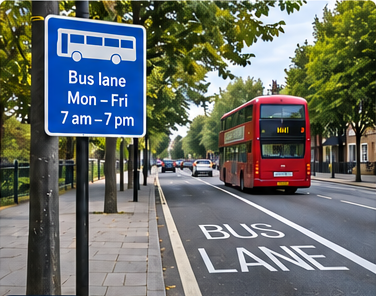
Bus lanes
Monitor operational-hour and bus-gate restrictions.

The MetroVision Compliance Solution is a new generation of AI-powered traffic enforcement technology. It collates video and data evidence from remote Outstations, automatically filtering, validating, enriching and formatting it into enforceable evidence packs. These are presented to operators for one-click validation before transmission to the back-office notice processing system.
By automating evidence preparation, MetroVision significantly reduces operator workload, enabling more evidence to be processed in less time while eliminating hours spent reviewing false detections caused by Automatic Number Plate Recognition (ANPR) misreads. At the same time, AI-powered Unattended Outstations identify contraventions that traditional ANPR-based systems can miss.
Many enforcement solutions rely on ANPR and small, predefined detection zones. While providers highlight where contraventions can be captured, anything outside those zones is missed. MetroVision takes a different approach.
Using overview and vehicle-identification cameras combined with an advanced Vision AI model, MetroVision detects and records potential contraventions anywhere within the enforcement scene, potentially increasing detection rates. A single multi-camera Outstation can monitor several contravention types simultaneously and generate separate evidence packs for each, reducing infrastructure and operational costs.
By automating detection, evidence preparation and workflow management, MetroVision helps authorities and enforcement providers increase processing capacity, improve consistency, reduce costs and enhance service delivery.
MetroVision detects and records potential contraventions anywhere within the enforcement scene, potentially increasing detection rates.
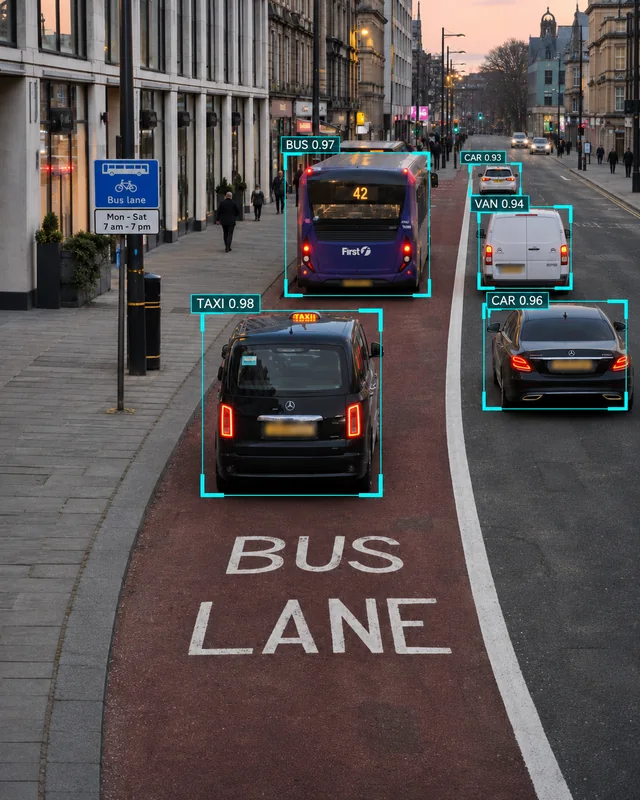
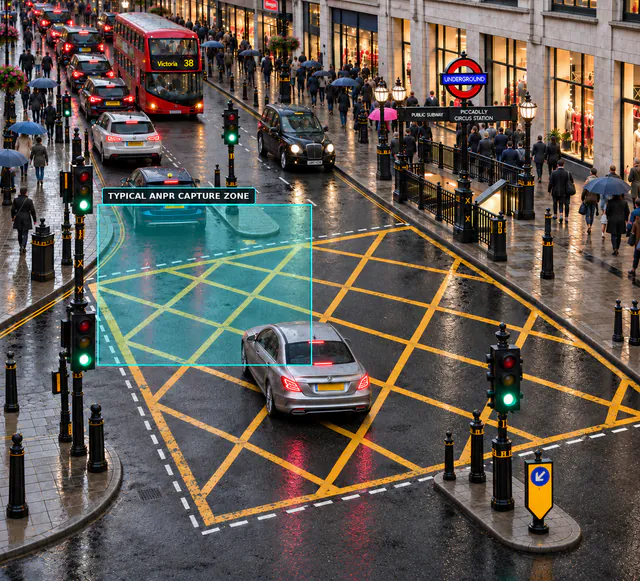 Illustrative concept image
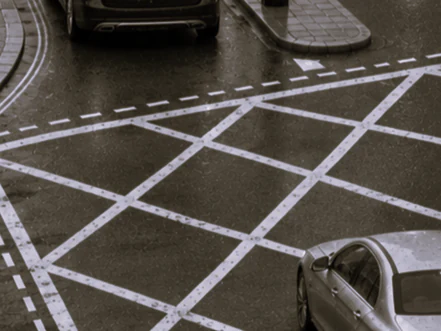 Missed
There’s no doubt that ANPR is a valuable tool for identifying vehicles and obtaining registered keeper details. However, relying on it to trigger traffic enforcement can introduce inefficiency and risk. Systems that depend on reading a vehicle registration mark (VRM) before recording an event are vulnerable when plates are dirty, damaged, deliberately altered or obscured. If the plate cannot be read, a potential contravention may go unrecorded. An incorrect reading can also generate an event requiring operator review, consuming time and increasing costs for the transport authority.
Using ANPR to detect moving traffic contraventions, such as banned turns or stopping in a yellow box junction, compounds these limitations. Identifying a vehicle is not the same as establishing that a contravention has occurred. Treating the two as interchangeable can leave local authorities reviewing unsuitable events while remaining unaware of those the system has missed.
Should manufacturers therefore concentrate solely on improving ANPR accuracy, or reduce dependence on it as the enforcement trigger?
Rejected events are visible; missed contraventions are not. A more robust approach would detect the contravention first through other means, capture the supporting video and data, and then use ANPR to identify the vehicle. This separates evidence collection from plate recognition, making ANPR a supporting identification tool rather than the gateway to enforcement. The aim is clearer evidence, fewer unnecessary reviews and more consistent, efficient and equitable enforcement overall.
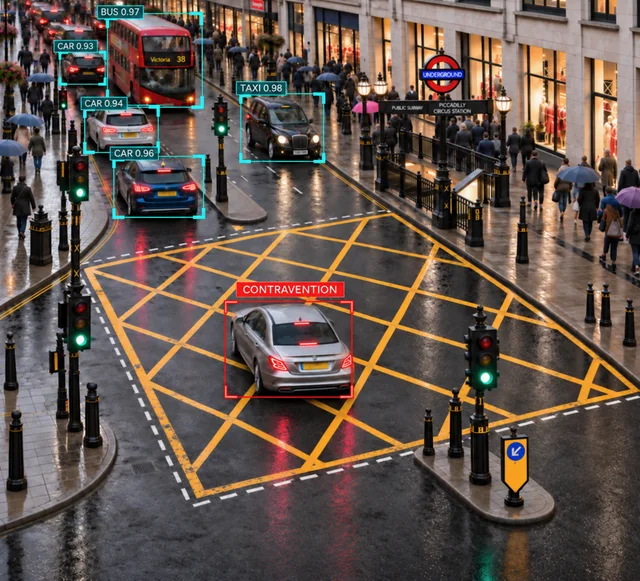 Illustrative concept image
 Illustrative concept image
Manufacturers should reduce dependence on ANPR as the enforcement trigger, not focus solely on improving its accuracy. MetroVision takes this approach by separating contravention detection from vehicle identification.
Instead of relying on a number plate read to trigger enforcement, Vision AI continuously monitors activity across the entire enforcement area, detecting contraventions based on vehicle behaviour rather than plate recognition. This enables potential contraventions to be identified even when a plate cannot be read at the point of detection.
Detect the contravention first. Use ANPR for identification—not as the enforcement trigger.
Once detected, dedicated identification cameras capture high-quality images and video evidence, ensuring vehicle identification and evidential integrity are maintained. Evidence qualification begins at the roadside, where the MetroVision Unattended Outstation automatically gathers and prepares the data required for enforcement.
Evidence is then consolidated into a structured case file before reaching an operator. By the time a case is reviewed, the imagery, video and supporting data have already been aligned and assessed, significantly reducing non-enforceable events and manual processing.
Through a secure review portal, operators can rapidly approve, reject or escalate cases from a single screen. By automating evidence preparation and validation, MetroVision reduces review times, improves operational efficiency and lowers the cost of enforcement at scale.
The flexible architecture supports a wide range of traffic management environments and use cases.
Monitor operational-hour and bus-gate restrictions.
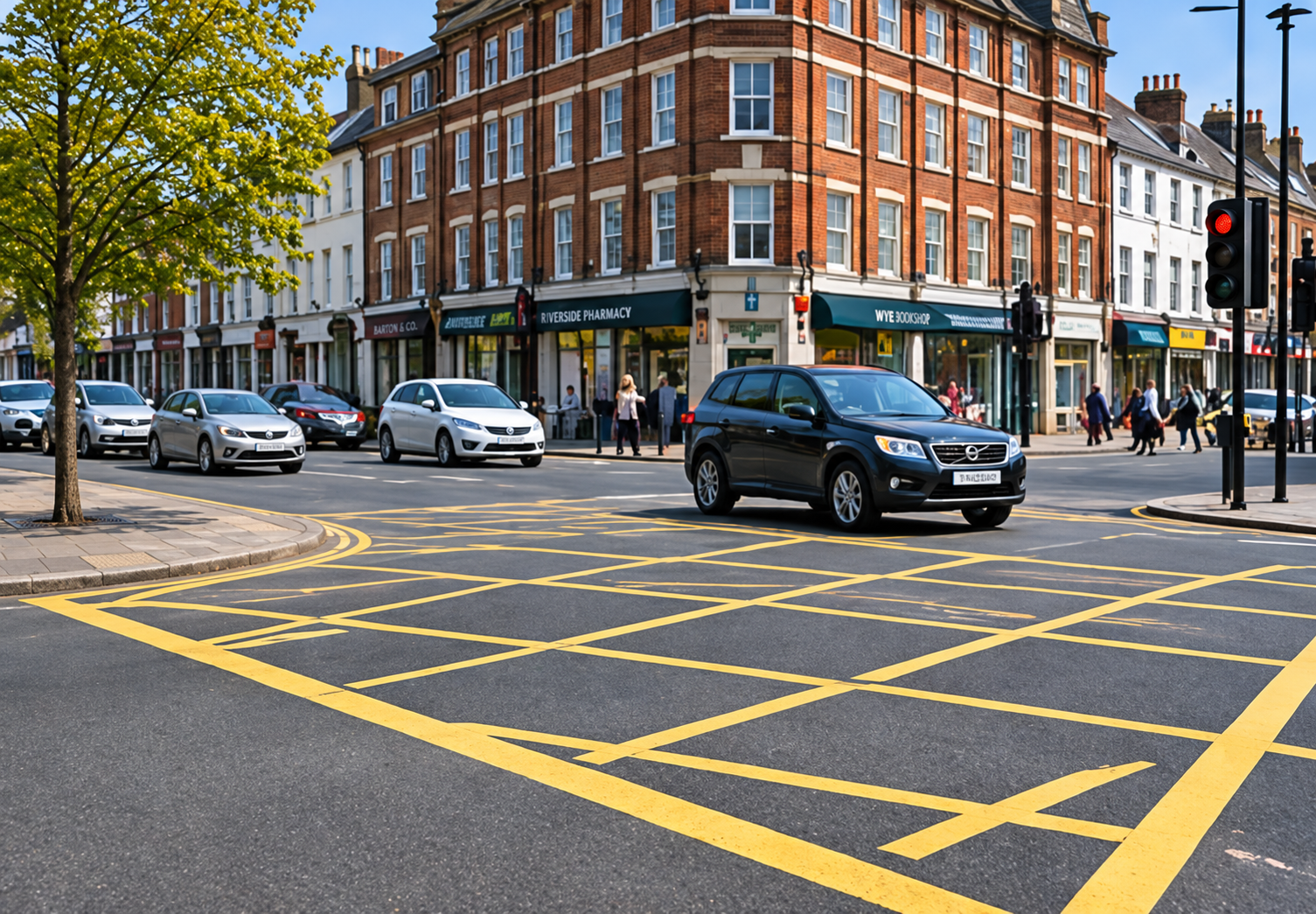
Detect entry without a clear exit path.
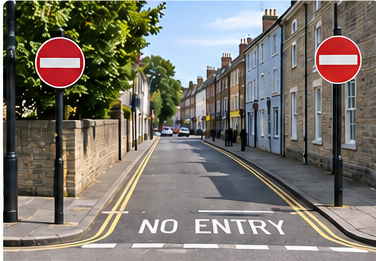
Identify unauthorised entry into restricted roads.
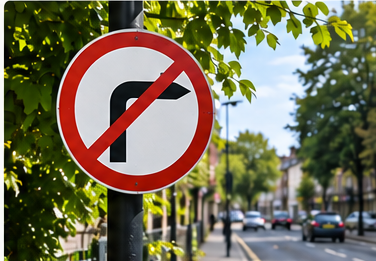
Cover right, left and U-turn restrictions.
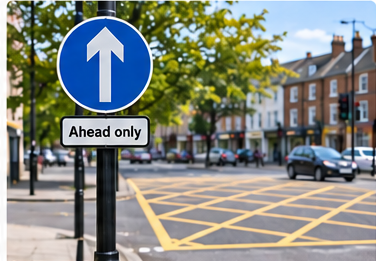
Verify compliance with directional signage.
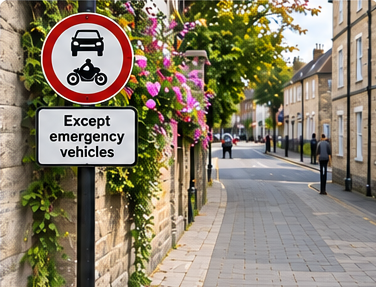
Support vehicle-type and weight restrictions.
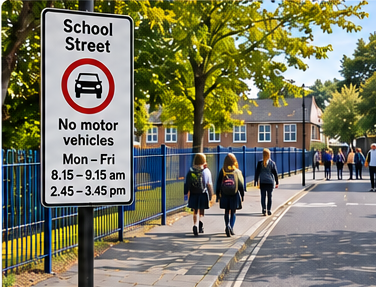
Help protect timed access zones around schools.
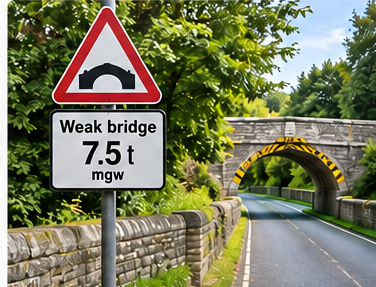
Monitor and enforce weight restriction limits.
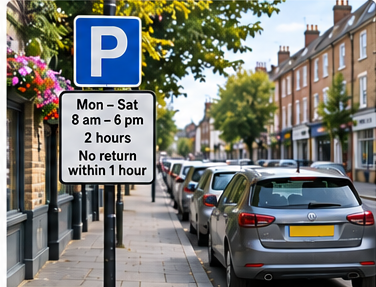
Extend intelligent monitoring to parking use cases.

Identify vehicles travelling in the wrong direction.
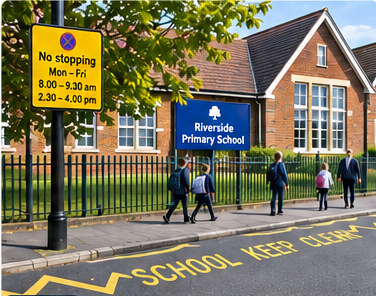
Keep children safe while they arrive and leave school.
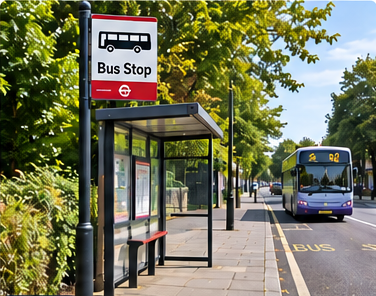
Help keep traffic flowing.